Education and Faith in a Drought-Prone Land of Aspiration
Hindupur
Where is Hindupur — and why it matters
Hindupur is located in the western region of Andhra Pradesh, bordering Karnataka, in an area historically marked by drought, agrarian uncertainty, and limited livelihood options. Rainfall is erratic, agriculture is fragile, and migration in search of work has become a common survival strategy for many families.
Most households depend on seasonal farming, daily wage labour, or informal work. For children and young people growing up here, access to stable education, guidance, and opportunity often determines whether they move forward or remain trapped in cycles of vulnerability.
Hindupur matters because it represents a large swathe of semi-arid India where education is often the only reliable pathway to dignity and mobility.

How the Jesuit Mission Began in Hindupur
The Jesuit mission in Hindupur began in 1989, following an invitation from the Government of Andhra Pradesh and the Diocese of Kurnool to initiate educational and social apostolates for the benefit of local communities.
Responding to this call, the Jesuits chose Hindupur deliberately — aware of the region’s hardship, but also of its latent potential. Land was made available for the mission, enabling a long-term presence focused on education, formation, and pastoral care.
From the outset, the mission was shaped by a simple conviction:
if children from poor and rural families were given the right support, they could reshape their own futures — and those of their families.
What we have done
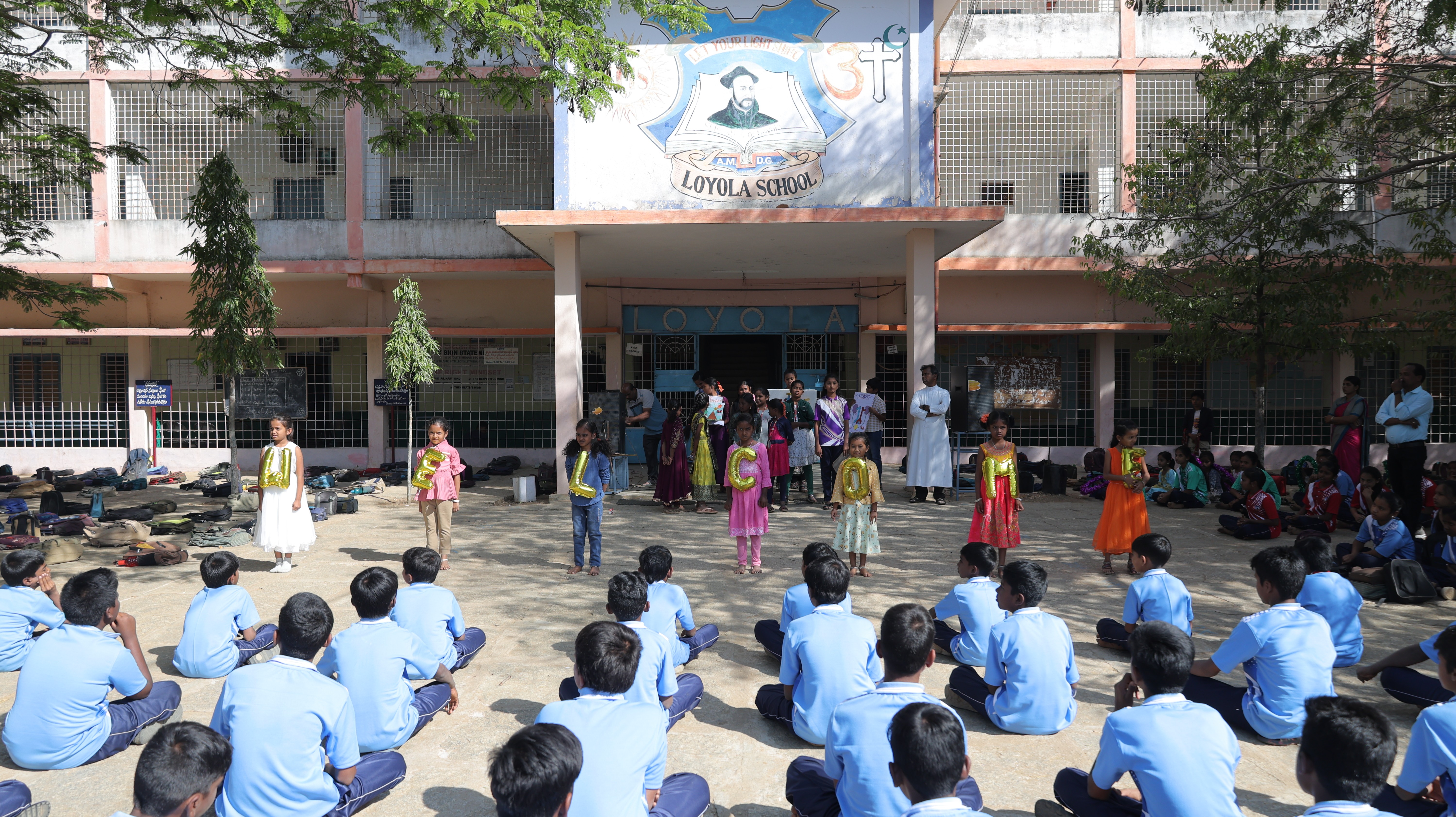
Education became the heart of the Hindupur mission. In 1990, a Telugu-medium school was started to ensure that children from rural and economically weak families could access quality schooling close to home.
As social realities evolved and aspirations grew, the mission listened carefully to parents and former students. This led to the establishment of the Loyola English Medium School in 2008, opening wider opportunities for children who would otherwise be left behind by language and systemic barriers.
Alongside the schools, a boys’ hostel was developed to support students from the poorest backgrounds — providing them with food, shelter, discipline, and a stable environment for learning.
The mission also ventured into teacher education through St. Xavier’s College of Education, responding to the need for trained educators in the region during that period.

What is happening today
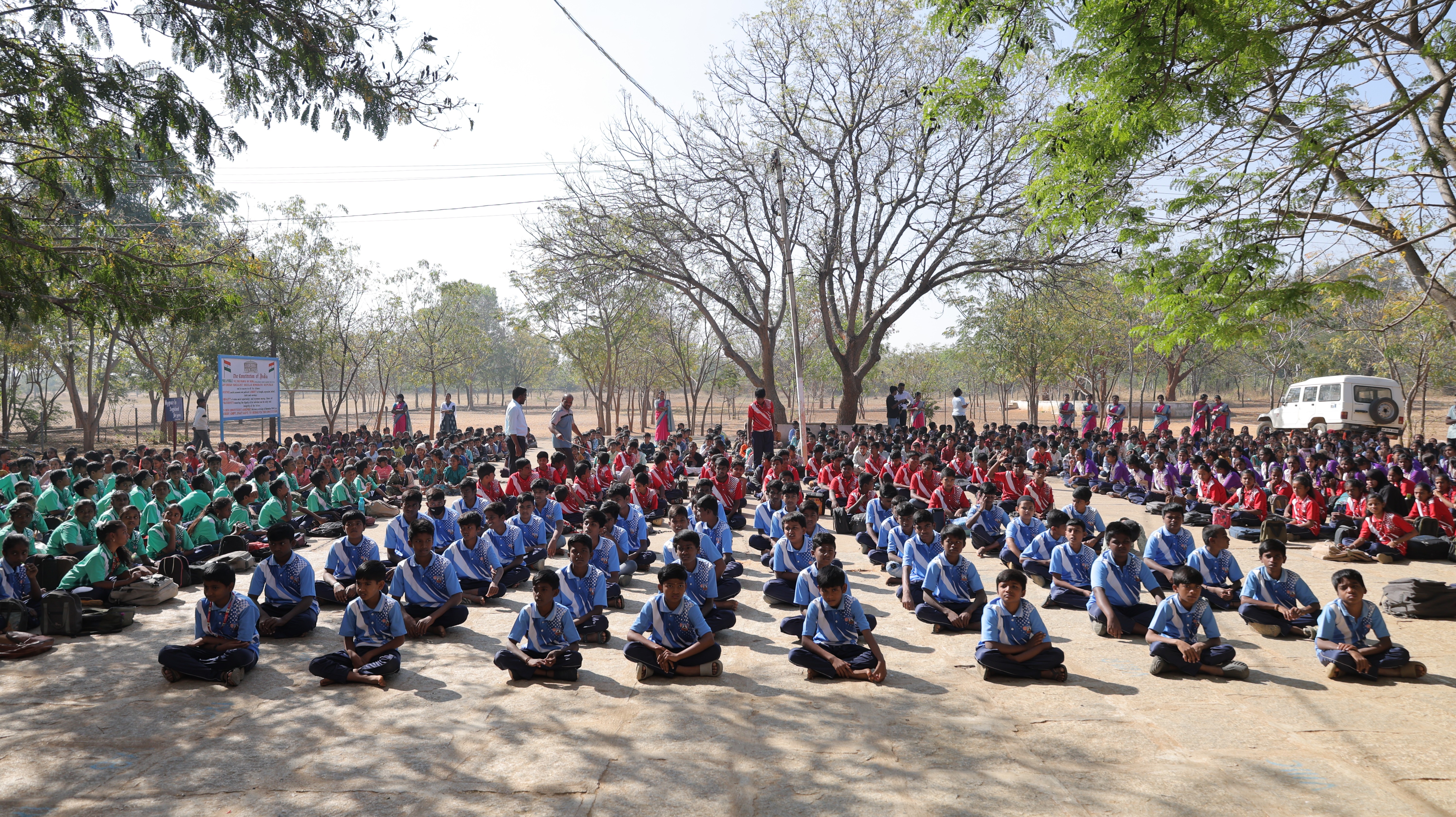
Today, the Hindupur mission continues to centre on education and pastoral accompaniment.
Schools serve children from poor, rural, and first-generation learner families
Hostel facilities support boys who would otherwise struggle to continue schooling
The parish offers faith formation, counselling, and community support
Families from diverse linguistic and cultural backgrounds find a place of belonging
The mission remains a steady presence in a region where uncertainty is part of everyday life.
Choose Hindupur. Help Education Take Root Where It Is Needed Most.
When you choose to support Hindupur, you are choosing to:
Keep rural children in school
Support first-generation learners and vulnerable families
Strengthen education as a pathway out of drought and distress