Standing With Migrants and the Urban Poor in a Complex City
Secunderabad
Where is Secunderabad — and why it matters
Secunderabad is one of the oldest and most diverse urban centres in Telangana, shaped by railways, military history, industry, and continuous migration. Beneath its busy streets and commercial zones lies a large population of migrant workers, informal labourers, domestic workers, street-connected families, and the urban poor.
Many live in congested settlements with insecure housing, unstable incomes, and limited access to healthcare, legal protection, or social security. Migrants often arrive with hope, but quickly face exploitation, wage denial, unsafe working conditions, and isolation.
Secunderabad matters because it reflects the hidden fragility of urban life — where people are surrounded by opportunity, yet remain deeply vulnerable.

How the Jesuit Mission Began in Secunderabad
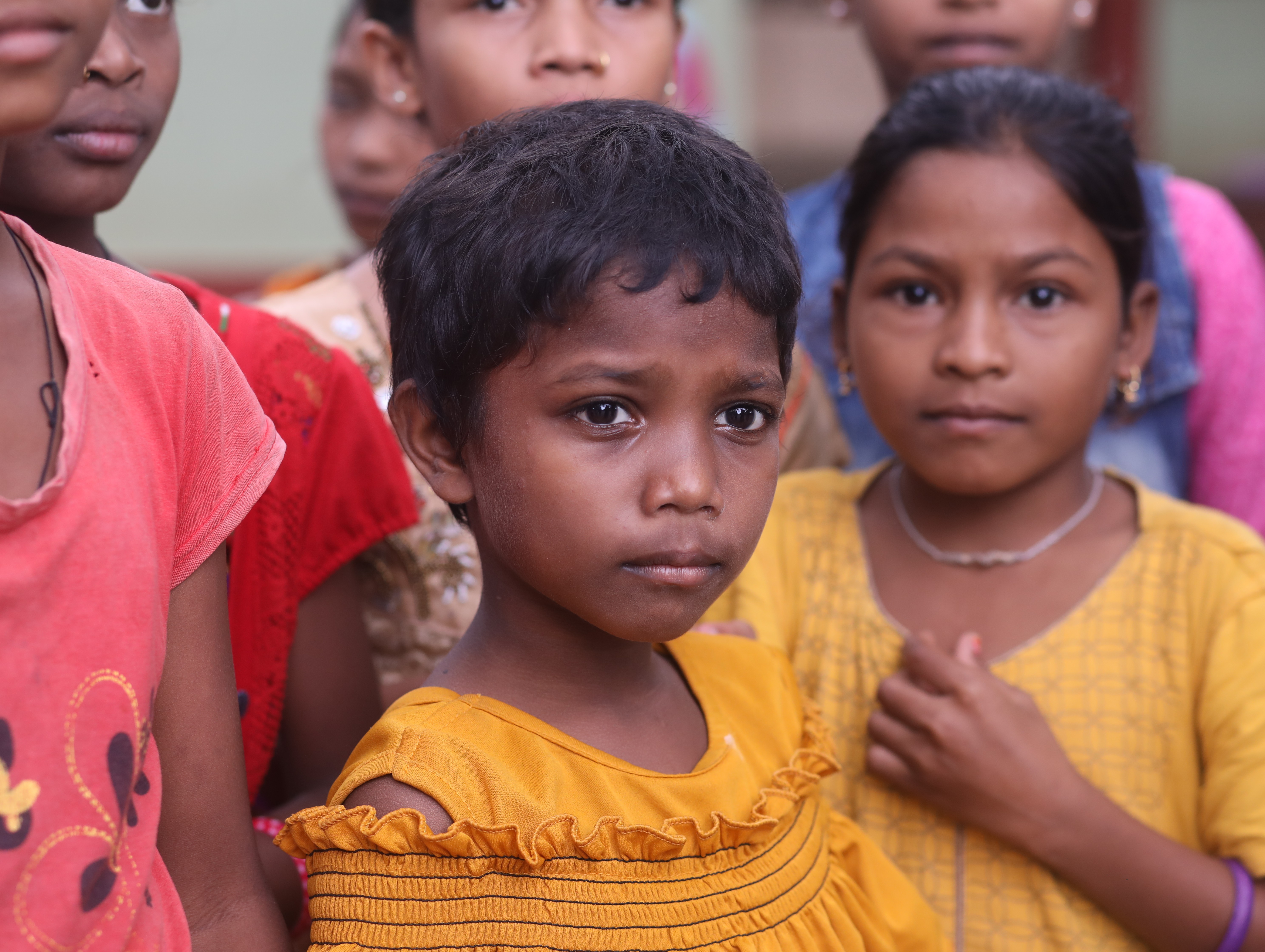
The Jesuit mission in Secunderabad emerged as a response to the growing distress of migrants and urban poor communities, whose struggles were largely invisible within traditional parish structures.
Recognising that pastoral care alone was insufficient in an urban context shaped by injustice and exclusion, the Jesuits established CITRA (Centre for Information, Training, Research and Action) — a social action centre rooted in accompaniment, advocacy, and empowerment.
The mission was intentionally outward-facing, choosing to go where people worked, lived, and struggled — beyond church walls and institutional boundaries.
What we have done
From the beginning, the mission in Secunderabad focused on standing with the urban poor and migrants through information, organisation, and rights-based support.
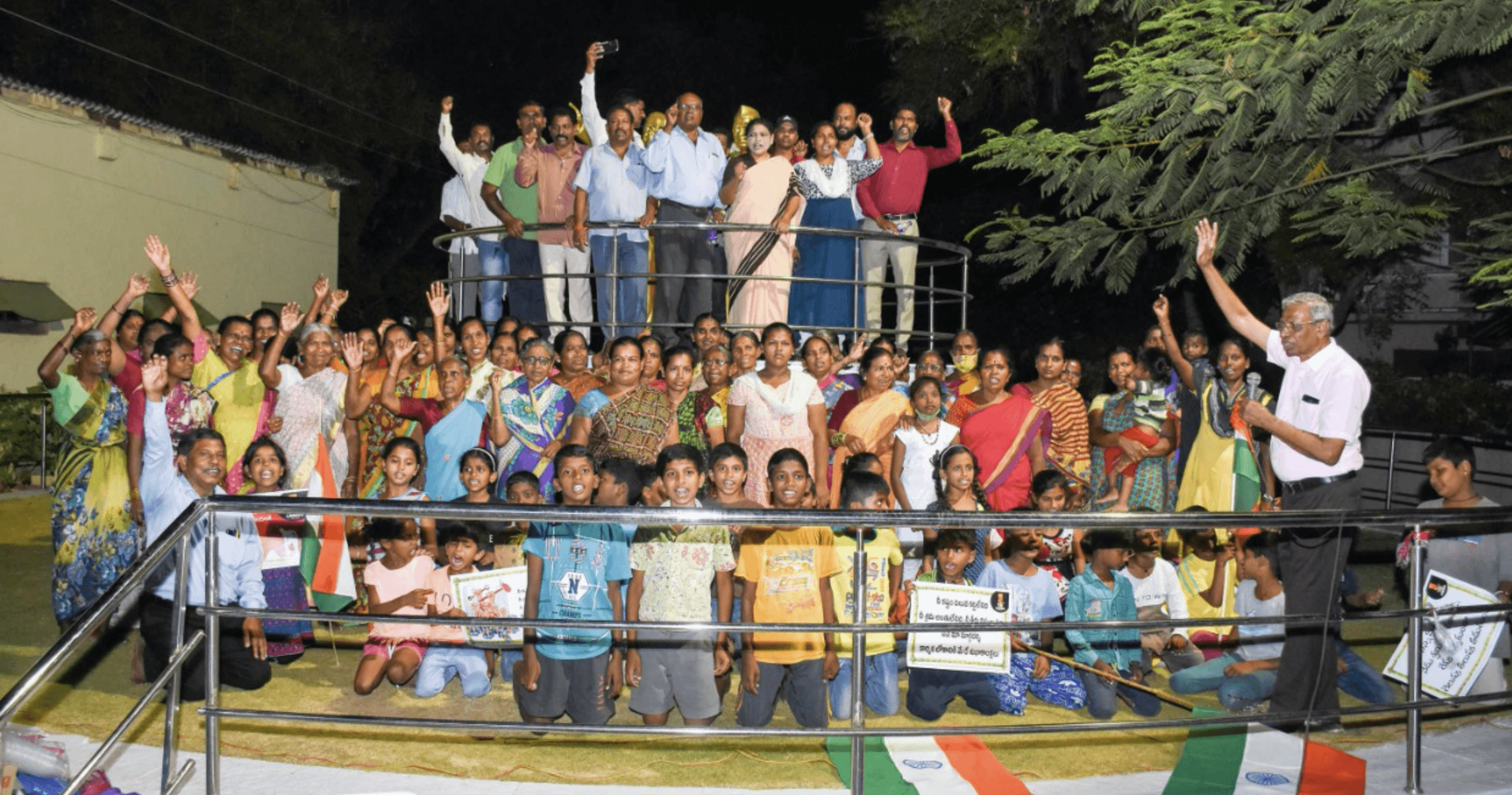
CITRA worked closely with Dalits, Tribals, migrants, women, and unorganised workers — helping them understand their rights, access services, and respond collectively to injustice. Legal awareness, health education, women’s collectives, and youth leadership became core pillars of the response.
The centre also took on a wider role as a support system for distressed migrants, particularly those navigating unfamiliar cities and systems.
What is happening today
Today, Secunderabad continues to be a hub for urban social action and accompaniment.
Migrants receive information, referrals, and emergency support
Women are organised into self-help and solidarity groups
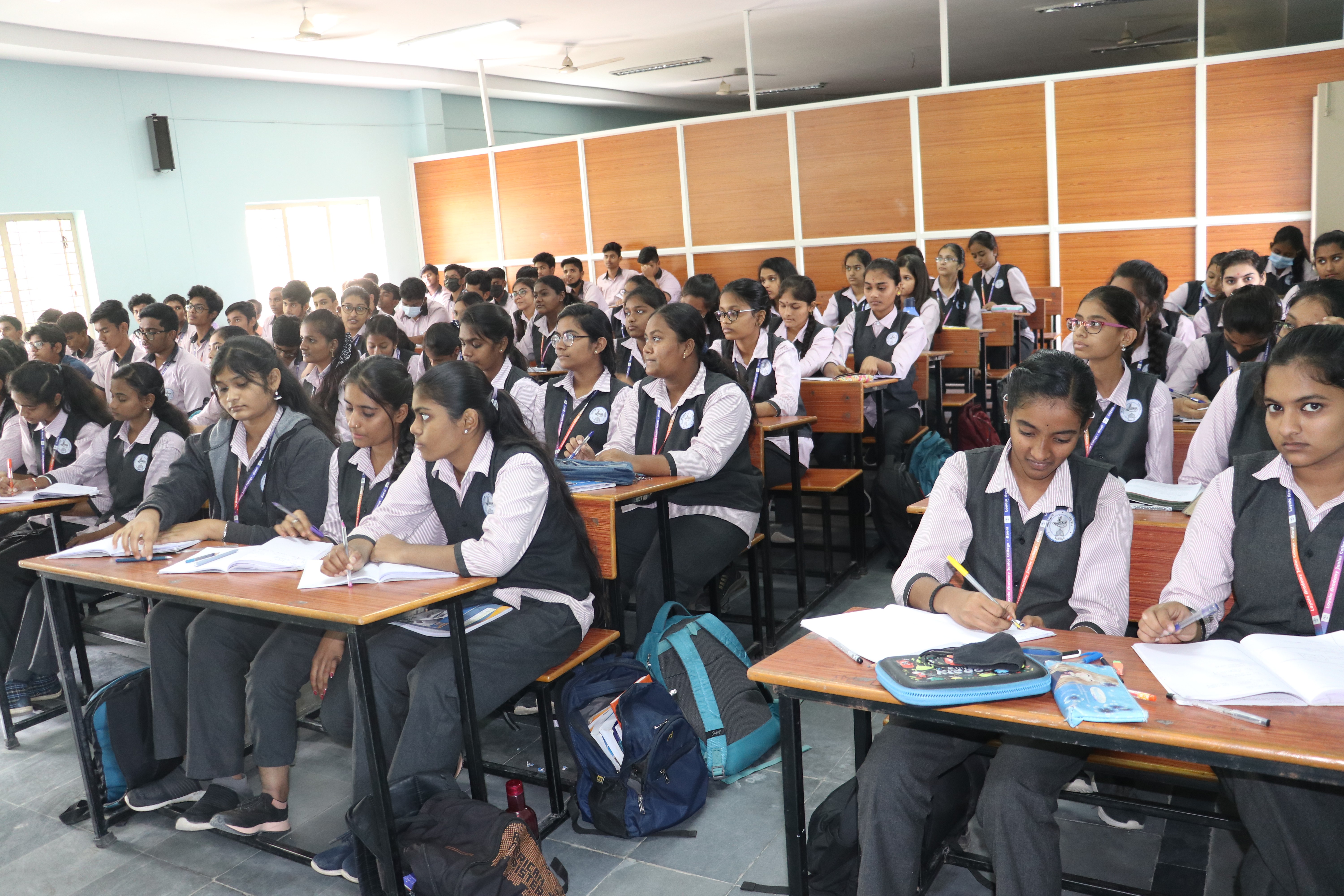
Youth are trained in leadership, civic awareness, and skills
Communities are supported in accessing government schemes and legal protections
The mission functions as a steady presence in an ever-shifting urban landscape.
Choose Secunderabad. Stand Where the City Is Most Fragile.
When you choose to support Secunderabad, you are choosing to:
Walk with migrants and the urban poor
Support justice, dignity, and rights in the city
Strengthen a mission that responds where systems often fail